We continue with our interviews series. Here is number 2. Look at the bottom of the article to find the other two.
A skydiving operation requires the perfect synchronization of multiple elements. Most are very visible and obvious, especially to the sport jumpers.
Skydivers wanting to get to exit altitude as fast as possible require; manifest to manage the movements and anticipation of many customers eager to jump, packers to work at full speed to have the rigs ready on time for the next lift, ground staff to ensure the execution of the operation is accurate, administrative staff to welcome newcomers and new friends. But, who’s flying the aircraft?!?
Flying skydiving aircraft requires extraordinary concentration. Often, the operation involves piloting numerous consecutive flights, with changing weather conditions and variable loads of fuel and skydivers. Adaptability is essential in this position. It takes a lot of skill to be able to fly skydivers.
We want to take this opportunity to recognise the highly valued, yet so easily overseen roles of our fantastic pilots. usually, the unsung heroes of most dropzones. We begin a series of interviews to learn more about them and why they do what they do.
#2 of a series
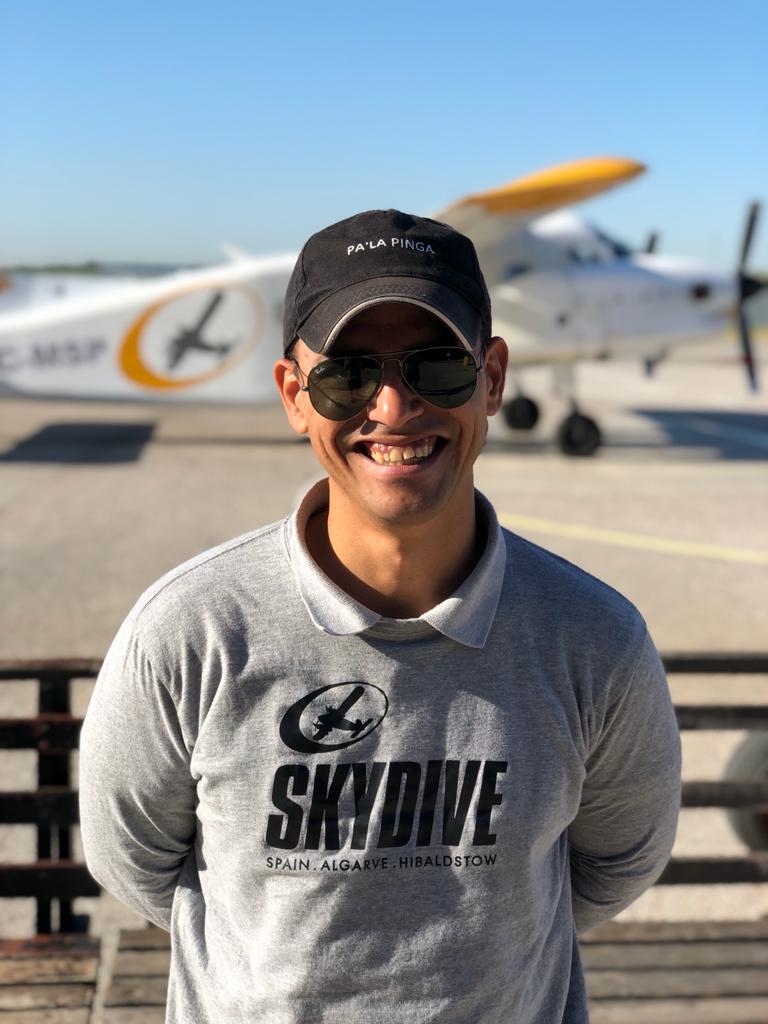
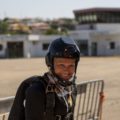
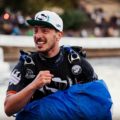
Luis was born in Cuba in 1986. He lives in Spain since 2014 and has been working at Skydive Spain for a year now. He loves Seville, where he lives with his partner, Chelito. His hobbies include playing chess and reading (a lot).
How important to your work are your colleagues and why?
My colleagues are essential for everything to flow with the energy we need. They are very important so that everything goes well, professionally and with an outstanding security procedure. They are the heart, body and soul of our profession.
Tell us your story – How did you become a skydive pilot?
I became a pilot in Cuba, I started the course at a military academy in 2004 and I graduated in 2006. I started my job as a pilot in agricultural aviation and skydiving. At Skydive Varadero I was welcomed as a son, I was 20 years old when I started working there and I loved it. Since then I share my passion for flying with skydivers.
Have you sacrificed anything to achieve your goal of being a pilot?
I have sacrificed time with the family, which has been compensated with my “other family” that I have gained in each Drop Zone that I have worked. I know they say that we are invisible in the DZs, but I have never felt this way. I feel like just anybody else in the “family” and I really enjoy it.
What is the favourite type of aircraft you have flown and why?
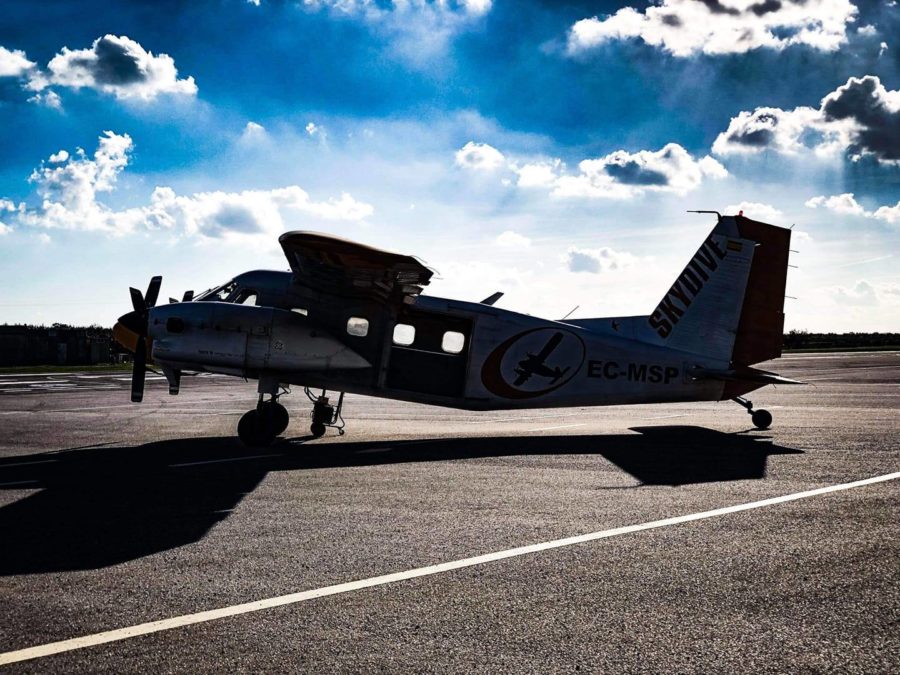
Difficult question. I have fallen in love with every plane I have flown, I have liked them all very much. I have flown about 6 types or more in the last 14 years. I always say that my favourite is the one I’m flying at the moment: My favourite now is the Dornier, I really enjoy it. I feel very happy every time we say “Boarding call” because I know I’m going up again.
What aspects of parachute aircraft piloting do you enjoy the most?
I really enjoy flying alone, without a co-pilot. I enjoy fast ascents and descents. I love it.
What aspects do you find most challenging and why?
I find it challenging to make a good spot when the wind and weather conditions are adverse. I always want it to be perfect, with everyone getting safely to the landing area. I am also always ready to turn the red light on when the pass has to be repeated.
What do you like about the Skydivers?
The joy that they radiate. I love seeing their faces on the plane and then on the videos of their jumps. Their joy is contagious.
From a pilot’s point of view, is there anything you would like to say to skydivers?
That all the instructions they receive from the pilots are always given for their own safety.
As a non-skydiver, has being a pilot in the sport made you want to try it?
Yes, I want to get started in the sport. I have 4 jumps already. I completed two in Cuba while during my military training, they were required to graduate, with round parachutes and automatic opening. And two tandem jumps, one in Madrid and the other here at Skydive Spain.
How do you describe your work to your friends who don’t know anything about skydiving?
That it is a great sport, that you have to jump at least once in your life. That skydiving is better than 3 months of psychology therapy, it removes all the stress and you see life differently. When you put your feet on the ground after jumping everything seems simpler. That as Will Smith said ‘the best things in life are on the other side of your biggest fears’, when he explained how is tandem jump went.
In three words describe how you feel when you look out the window during a flight.
Free, lucky, dreaming.
Do you do friendly competitions with other pilots at the airfield? If your answer is like this, what do you play?
I am not into competitions, but when I have done something they have been to see who completed the entire flight in a shorter time.
From your point of view, what would you say to people who ask if skydiving is safe?
Skydiving is one of the safest sports that exist, everything is governed by procedures so there is no margin for error.
Any last comments for someone considering skydiving?
That once you start jumping you will never want to quit. It is a passion you cherish for the rest of your life.
How are you approaching this lock down that we are experiencing due to the coronavirus?
I am working on another one of my other passions: Computing. I have started a programming course as a hobby. And I am reading a lot.
How would you like to say goodbye?
Living the Spanish dream
Thank you Luis!